Every April 14th, World Chagas Disease Day is commemorated, a key date to raise visibility for a neglected disease that continues to affect millions of people worldwide and to strengthen the commitment toward its elimination.
In 2026, the global agenda is led by the World Health Organization (WHO), which promotes an approach centered on the fundamental role of women in prevention, diagnosis, and care, especially regarding mother-to-child transmission.
Women at the Center of the Chagas Response
Under the theme “Women at the Center of Care: Protecting the Next Generation from Chagas Disease,” the World Health Organization calls on governments, healthcare teams, and organizations to redouble efforts to ensure timely access to diagnosis and treatment.
This approach recognizes that strengthening care for women of reproductive age is key to interrupting congenital transmission and moving toward the goal of eliminating this transmission route.
Along with networks such as FINDECHAGAS and regional bodies like the Pan American Health Organization, the WHO is driving a series of actions aimed at strengthening public awareness and the health response:
- A global communication toolkit with ready-to-use content for social media
- The dissemination of women’s testimonials since March 8th, highlighting experiences in different territories
- The promotion of events and activities throughout the year
Additionally, a new edition of the Chagas Access Observatory is under development, to be published in 2027 with updated information on access to diagnosis and treatment in various countries.
Campaigns seeking to change the perception of Chagas
In line with this agenda, the Mundo Sano Foundation is promoting communication actions that combine continuity with new messaging.
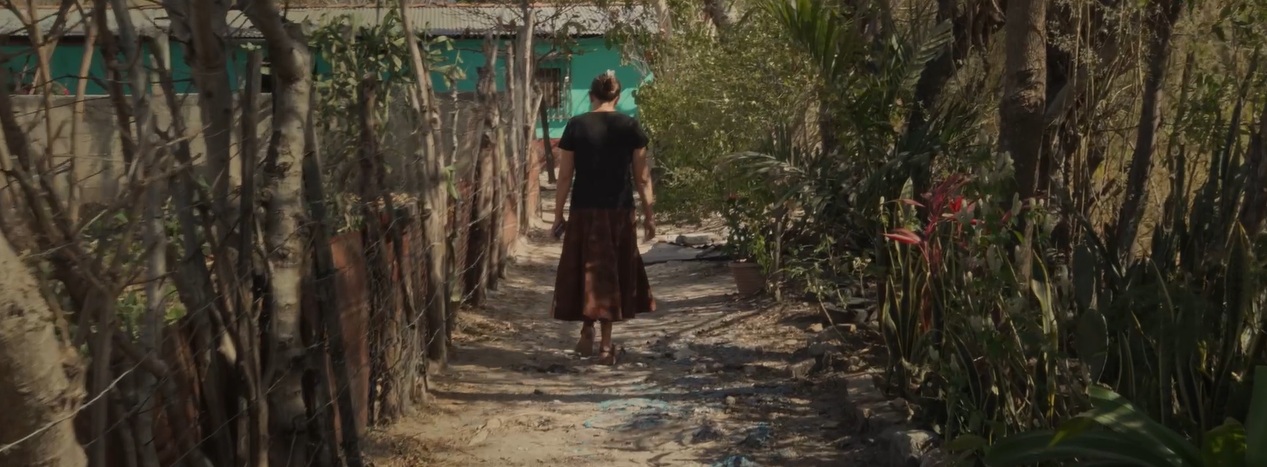
On one hand, the video “HERITAGE” is being re-released, a piece that highlights the intergenerational dimension of congenital Chagas and the central role of women in its prevention.
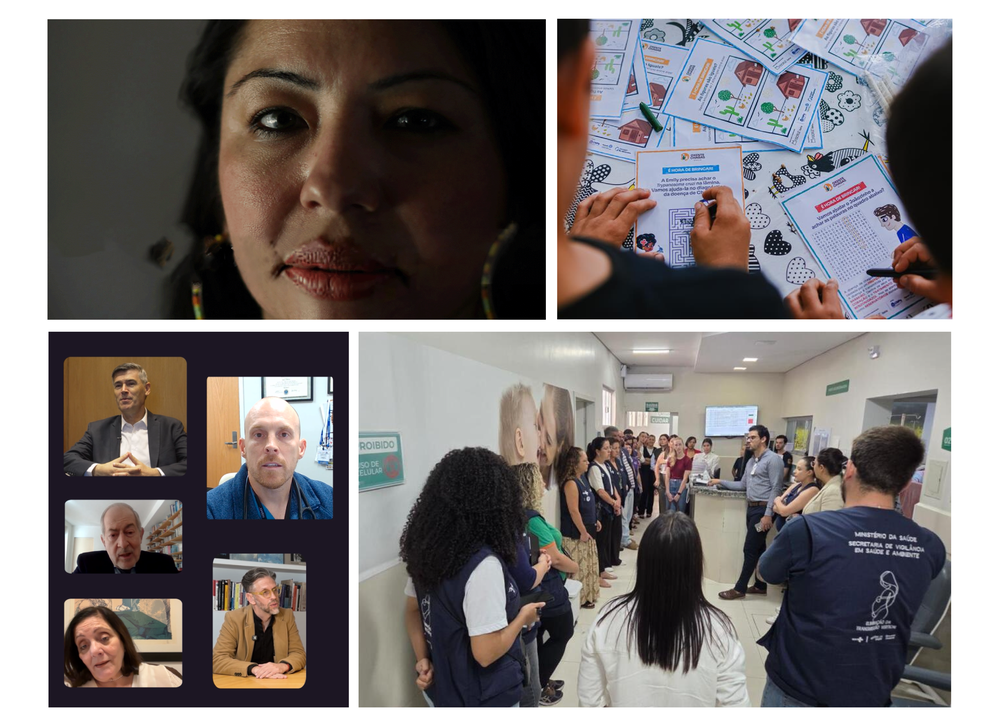
And on the other hand, the campaign “WE ARE NOT THE SAME” is being launched, which seeks to transform one of the main barriers of the disease: the idea that there are no solutions for Chagas. Through expert voices, this campaign highlights concrete progress achieved in recent years:
- Greater access to diagnosis and treatment
- Successful implementation experiences in different contexts
- Growing commitment from governments and health authorities
The goal is to mobilize healthcare professionals and decision-makers to accelerate the elimination of congenital transmission.
Local Actions
Activities developed in various countries reflect the importance of addressing Chagas through a comprehensive approach, coordinating prevention, care, and communication actions. In Brazil, for example, the following stand out:
- The photographic exhibition “A Look Beyond Care,” presented at ExpoEpi, the Ministry of Health’s main epidemiology event
- The award ceremony for Good Practice Seals toward the elimination of vertical transmission, with certifications for municipalities such as Goiânia and Anápolis
- Ongoing initiatives throughout the year, such as workshops for developing outbreak prevention plans and educational materials for community agents
These actions reflect a multidisciplinary and intersectoral approach that strengthens the response in local territories.
Cooperation to Advance Toward a Chagas-Free Generation
The actions promoted within the framework of World Day are part of a broader international cooperation agenda, where different actors work in a coordinated manner to advance toward the elimination of mother-to-child transmission.
In this sense, the Ibero-American Initiative “No Baby with Chagas” promotes joint work between countries, strengthening health systems, primary care, and the generation of evidence for decision-making.
The challenge remains a collective one: to expand access, reduce gaps, and sustain the visibility of a disease that today has more tools than ever to be addressed. Because we are not where we were before. And because moving toward a generation free of congenital Chagas is possible.
More news of interest