Congenital
Chagas

A new scenario in the transmission of Chagas disease.
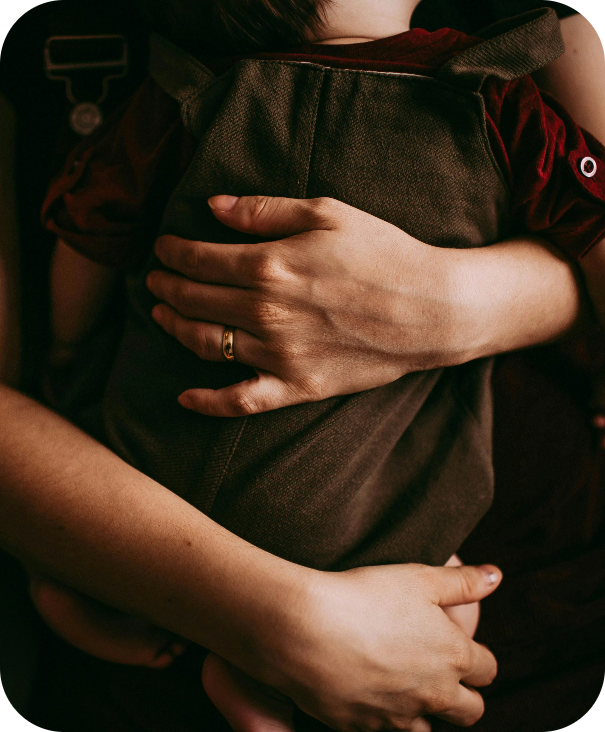
Currently, vertical or congenital transmission (from a pregnant mother to her child during pregnancy or childbirth) generates the highest number of new cases globally.

6 to 8

million
infected people
worldwide.

1,2

million are
women of
childbearing age.

9.000

babies are born each year
with Chagas disease
worldwide.

In Latin America, the prevalence of Chagas disease in pregnant women varies from 0.30% to 40%, and it is estimated that the perinatal transmission rate is between 0.4% and more than 10%. However, this transmission is preventable.

Detecting the disease during pregnancy or in newborns allows for simple and cost-effective interventions.

Care for congenital Chagas disease must be integrated into programs aimed at detecting other mother-to-child infections, as proposed by the EMTI plus initiative (Framework for the Elimination of Mother-to-Child Transmission of HIV, syphilis, hepatitis B, and Chagas disease) of the Pan American Health Organization (PAHO).
Challenge

Provide access to easy and early diagnosis for all people exposed to Chagas transmission, especially:

  • Women of childbearing age.

  • Women seeking preconception consultations.

  • Pregnant people, newborns, younger children, girls, and adolescents (preconception phase).

  • Newborns of infected mothers.

  • Relatives and other children born to infected mothers.

Frequently
asked questions

about
Chagas
disease

The definitive diagnosis of T. cruzi infection depends on a positive result from at least two different serological tests that detect specific antibodies in the patient’s serum. In newborns and children under 10 months of age, a direct parasitological diagnosis (by microscope) or molecular techniques (PCR) must be performed according to each country’s regulations and consensus.

Since 2002, the World Health Organization (WHO) has recommended Chagas diagnosis for women who reside in or come from countries with a history of vector-borne transmission (via insects).

Pregnant women with a positive result for Chagas should request a diagnosis for their baby at birth and a follow-up at ten months of age.

The effectiveness of Chagas disease treatment depends on the age and health status of the affected person. The earlier it is administered, the better the expected results. In newborn boys and girls, the treatment is nearly 100% effective.

The high cure rate demonstrated by parasitological and immunological studies of Chagas reaches between 90% and 100% of cases if treatment is started in the newborn’s first year of life. Therefore, it is very important that detection occurs as soon as possible.

In most countries, treatment, as well as Chagas diagnosis, is free of charge.

Treatment and administration of the medication are not recommended during pregnancy.
It is recommended afterward and before another pregnancy.

Timely diagnosis during prenatal care allows access to early treatment for the newborn, with a cure impact of practically 100%.

Yes. Because to confirm or rule out Chagas disease, it is necessary to perform a serological diagnosis starting at 10 months.

The follow-up of children of mothers positive for T. cruzi constitutes one of the main current problems for access to timely and appropriate diagnosis and treatment.

It is recommended to administer Chagas disease medications, benznidazole and nifurtimox, after the sixth month of breastfeeding.