The Initiative is composed
of the combined efforts and work of participating countries and leading partners.

ARGENTINA
Argentina made progress in the regulatory and institutional integration of the approach to congenital Chagas, strengthening the coordination between the areas of communicable diseases, maternal and child health, and vector control.
Main progress
- Update of the national diagnostic and treatment algorithm for pregnant individuals and newborns.
- Integration of the congenital Chagas approach with other priority maternal and child interventions.
- Consolidation of serological diagnosis in pregnant women and neonatal diagnosis via PCR.
- Guaranteed access to treatment through the public system.
- Strengthening of case-based epidemiological surveillance, with a focus on improving postpartum follow-up.
SPAIN
Spain continued to consolidate universal screening of pregnant women as a central strategy to prevent vertical transmission of Chagas in a non-endemic context.
Main progress
- Strengthening of universal screening in pregnant women.
- Consolidation of detection, follow-up, and treatment models.
- Significant progress in the Region of Murcia in implementing a comprehensive approach.
- Use of serological and molecular tools to improve diagnostic quality.
- Development of operational research to optimize clinical follow-up in populations of diverse origins.
BRAZIL
Brazil strengthened technical coordination in the state of Amazonas, especially in Manaus, moving toward a more integrated response in a complex territorial context.
Main progress
- Strengthening coordination between technical teams and management levels.
- Implementation of screening actions in reference maternity hospitals during 2025.
- Prioritization of the approach for pregnant women.
- Reinforcement of work with the primary care level.
- Exchange of experiences within the framework of regional cooperation.
GUATEMALA
Guatemala advanced in strengthening its Chagas Program with a territorial and intercultural approach, highlighting the community’s role in preventing mother-to-child transmission.
Main progress
- Implementation of the Comadronas (Midwives) Program in prioritized territories.
- Strengthening the intercultural approach in addressing congenital Chagas.
- Decentralization of diagnosis to subnational laboratories.
- Improvement of timely access to diagnosis.
- Reinforcement of health personnel capacities during 2025.
- Greater territorial coordination with technical support from the Initiative.
COLOMBIA
Content available soon
HONDURAS
Content available soon
EL SALVADOR
El Salvador deepened the institutional strengthening of the congenital Chagas approach, integrating it into maternal and child policies and health information systems.
Main progress
- Update of regulations related to the approach to congenital Chagas.
- Integration of screening into the Nacer con Cariño (Born with Care) maternal and child program.
- Guaranteed access to treatment.
- Consolidation of a surveillance model with strong community participation.
- Progress in the comprehensive digitalization of the information system.
- Integration of clinical, epidemiological, and entomological data for real-time decision-making.
PARAGUAY
Paraguay consolidated operational capacities in surveillance, clinical care, and vector control, strengthening tools for health decision-making.
Main progress
- Strengthening of a computerized monitoring system with Chagas indicators.
- Real-time epidemiological analysis to guide prevention and control actions.
- Continuity of universal screening in blood banks.
- Progress in screening pregnant individuals and in access to treatment.
- Reinforcement of entomological surveillance with community participation.
- Implementation of intersectoral actions aligned with the One Health approach.
MEXICO
Content available soon
Progress of the Initiative

Strategic Planning and Regional Cooperation
The audit of the First Strategic Plan allowed for an evaluation of the progress made, the identification of achievements and challenges, and the guidance of a new stage of work focused on interventions with greater health impact. This process strengthened regional governance and consolidated the Initiative as a space for cooperation between ministries of health, international organizations, allied institutions, and the academic sector.

Strengthening Timely Diagnosis
A Laboratory Network was developed to support countries in improving their diagnostic capabilities, promoting decentralization, the strengthening of molecular biology, and the progressive harmonization of technical criteria. This work allows for progress toward more timely, comparable diagnoses adapted to the region’s epidemiological diversity.

Territorial Implementation and Evidence Generation
The launch of the SafeStart+ project in Paraguay represents an opportunity to strengthen local capacities, integrate screening and timely diagnosis into the primary care level, and generate evidence on intervention models that can be adapted and replicated in other member countries.

Regional Training and Technical Community
The Atendiendo Chagas Network is consolidated as a space for training, exchange, and capacity building for health teams in the region. Through courses, materials, and technical resources, it contributes to improving the diagnosis, treatment, and follow-up of people with Chagas.
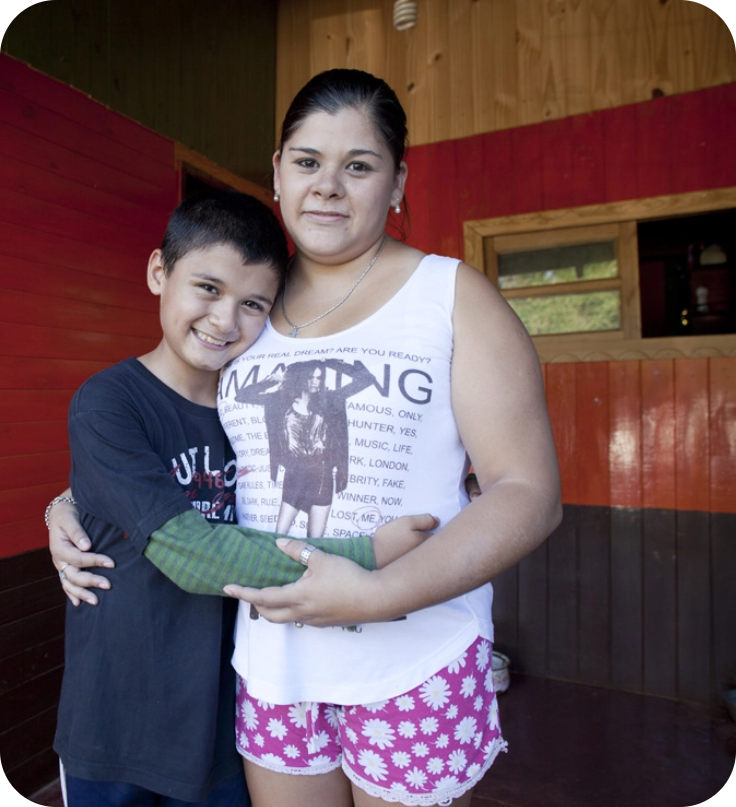
Since its formation in 2021, actions have been led by the Ministries of Health of the nine countries.
Currently, Paraguay holds the presidency and the Mundo Sano Foundation serves as the Technical Unit.
Advisory Commission
Subcommittee of Multilateral Organizations
World Health Organization (WHO).
Pan American Health Organization (PAHO).
Technical Subcommittee
Drugs for Neglected Diseases Initiative, Barcelona Institute for Global Health, Chagas Coalition, “Dr. Mario Fatala Chaben” National Institute of Parasitology, ANLIS Malbrán, and the Center for the Development of Scientific Research.
In line with the Pan American Health Organization (PAHO) EMTI Plus strategy, intersectoral coordination with leading institutions and partners is promoted to strengthen the capacity of health systems in prevention, timely diagnosis, treatment, and follow-up of Chagas disease.