Mexico’s inclusion strengthens the Initiative’s regional scope and consolidates the value of cooperation as a key tool for addressing shared health challenges.
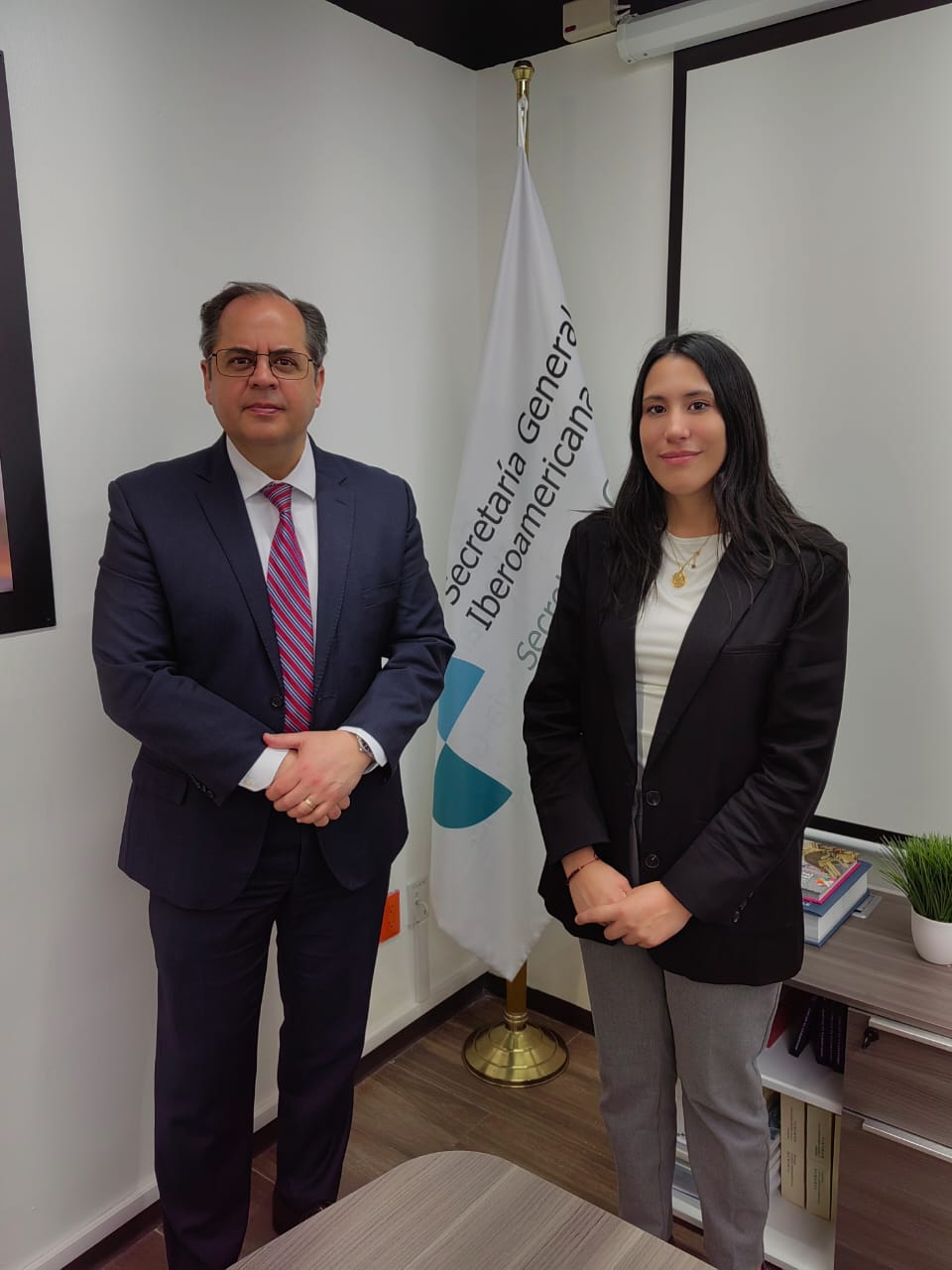
Mexico’s Ministry of Health formalized the country’s incorporation into the Ibero-American Initiative “No Baby with Chagas,” reaffirming its commitment to eliminating mother-to-child transmission of the disease and strengthening regional actions for diagnosis, treatment, and follow-up.
The decision was officially communicated through the National Center for Disease Prevention and Control (CENAPRECE), in response to the invitation extended by the Ibero-American General Secretariat (SEGIB), within the framework of Ibero-American health cooperation.
A Key Step to Strengthen the Regional Response
This incorporation consolidates coordination among Ibero-American countries aimed at interrupting mother-to-child transmission of Chagas, strengthening national strategies for timely diagnosis, access to treatment, and comprehensive follow-up for affected individuals.
Furthermore, this adherence aligns with Mexico’s commitment to advance towards achieving the Sustainable Development Goals by 2030, promoting a comprehensive and coordinated approach to the disease.
More Countries, Greater Impact
Mexico’s incorporation represents a significant step in consolidating a coordinated regional response to congenital Chagas, expanding the Initiative’s reach and strengthening collaborative efforts among Ibero-American countries.
The articulation of wills, technical capacities, and political commitment is fundamental to advancing towards the common goal of ensuring no baby is born with Chagas in the region.
More news of interest