In the framework of World Chagas Day, the Ibero-American Initiative “No Baby with Chagas” shares an experience that shows how coordinated work between communities and health systems can make a difference in preventing mother-to-child transmission.
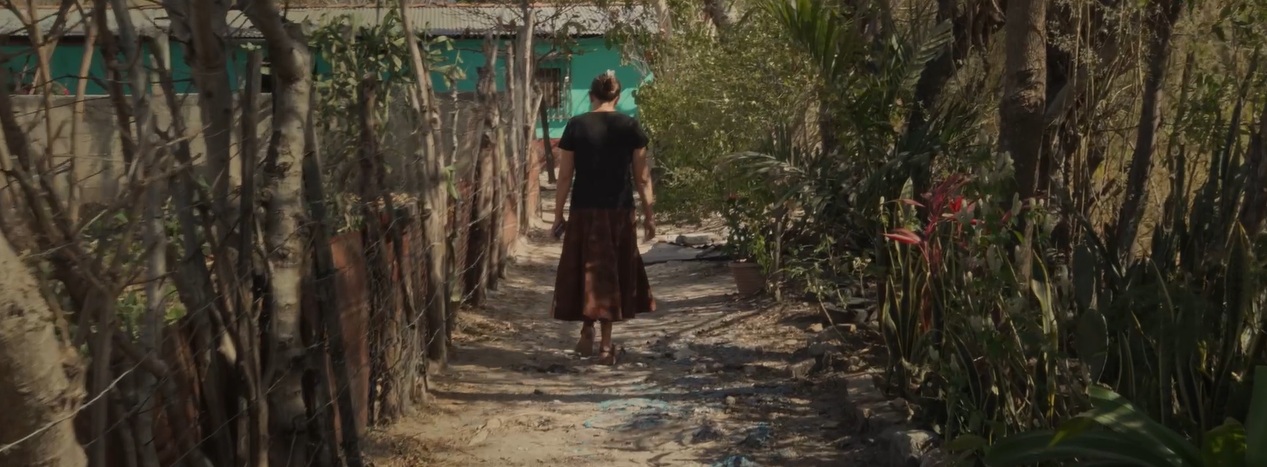
In rural communities in eastern Guatemala, many women go through their pregnancy accompanied by midwives (comadronas). Recognized and legitimized by their communities, these women bridge traditional knowledge with health system practices, playing a key role in prenatal care, childbirth, and postpartum care.
Their proximity, the trust they build, and their sustained presence in the territory make them strategic actors for addressing diseases such as Chagas, which can be transmitted from mother to child during pregnancy. Although this transmission is preventable and treatable, timely diagnosis remains a challenge in the region.
Strengthening What Already Exists
The Midwives Project (Proyecto Comadronas) seeks to enhance the work they already perform, providing them with tools to identify risks, accompany pregnant women, and facilitate access to health services.
This initiative is implemented alongside the Ministry of Public Health and Social Assistance of Guatemala, with technical support from the Pan American Health Organization and coordination by the Mundo Sano Foundation as the Technical Unit, within the framework of the Initiative promoted by the Ibero-American General Secretariat. It is carried out in departments such as Jutiapa, Chiquimula, and Jalapa, where midwives closely accompany women during pregnancy.
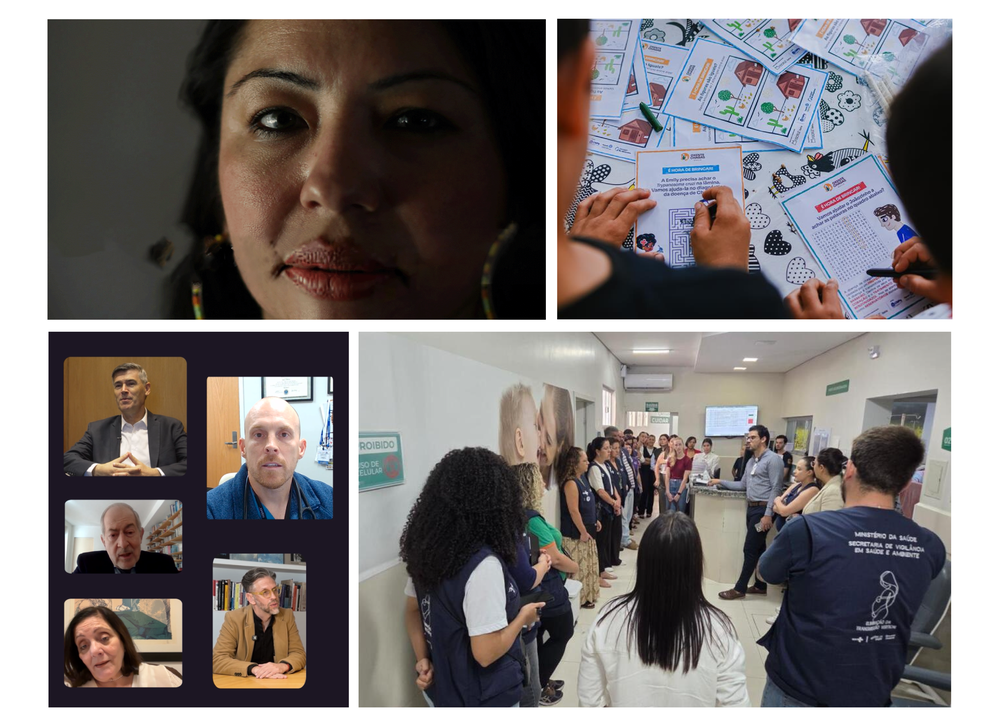
Based on this bond, the project strengthens their capacity to recognize warning signs, promote prenatal check-ups, and support women in accessing timely diagnosis and treatment for vertically transmitted diseases. To this end, culturally relevant educational materials were co-created, incorporating visual resources that facilitate communication in contexts where oral and graphic traditions predominate.
Detecting Early for Better Care
One of the project’s main contributions is integrating the approach to Chagas within maternal and child care, alongside other infections such as HIV, syphilis, or hepatitis B and C, moving toward a more comprehensive and person-centered response. Pregnancy thus becomes an opportunity not only for the woman’s diagnosis but also for that of the family environment.
This approach is part of the EMTCT Plus strategy, which promotes the elimination of vertical transmission through timely diagnosis, access to treatment, and the strengthening of primary care.
In this process, midwives play a fundamental role, as they identify risk situations in homes and accompany women to health services. Through in-service training sessions, the project strengthens these capacities and facilitates the practical incorporation of new knowledge into their daily work.
Cooperation Translated into Action
The Midwives Project is part of the Ibero-American Initiative “No Baby with Chagas,” a cooperation platform that brings together nine Ibero-American countries with the goal of eliminating mother-to-child transmission of the disease by 2030.
The experience in Guatemala, the result of years of joint work, allows for the generation of lessons learned and tools that can be adapted to other contexts in the region, especially where primary care relies on community actors.
In this sense, it shows how regional cooperation can be translated into concrete actions that strengthen health systems and improve access to diagnosis and treatment.
More news of interest